
A changing mortgage landscape
Andrew Ladriere of Myplace Mortgages in Cranbrook reflects on a market that has become less predictable.
by Danielle Brost
We want to know about the latest Kootenay financial news and projects. To share your story idea, fill out our online form.

Andrew Ladriere of Myplace Mortgages in Cranbrook reflects on a market that has become less predictable.
by Danielle Brost
KAST Executive Director and CEO Priya Biswas discusses her mission to make technology accessible across every corner of the Kootenays.
by Danielle Brost
Ktunaxa Enterprises Ltd. blends cultural values and economic opportunity
by Danielle Brost
Mark McLoughlin, all-star CFL kicker, is the new President and CEO of Kootenay Savings Credit Union in Trail, B.C.
by Kyle Born
A wage subsidy program through Columbia Basin Trust enables skilled workers to stay in the Kootenays.

The difference between inclusive marketing and effective financial planning

Canal Flats, B.C., wants to grow its population and is offering a tax break to businesses that relocate to this small East Kootenay town
by Virginia Rasch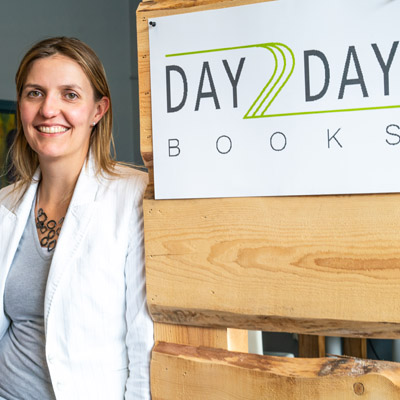
Based in Golden, B.C., Day2Day Books is a highly experienced bookkeeping company
by Julie Matchett
11 awards were handed out at this year’s virtual Creston Business Excellence Awards gala
by Julie Matchett
SMRT1 specializes in convenient and cutting-edge intelligent vending machine technology
by Submitted
Founded in 1950, the East Kootenay Community Credit Union is celebrating their 70th anniversary on December 14, 2020
by Julie Matchett