
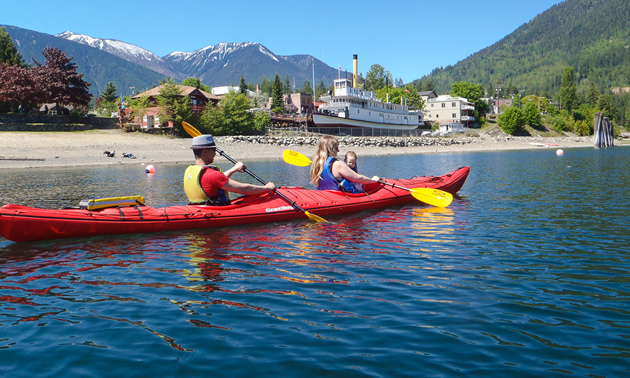
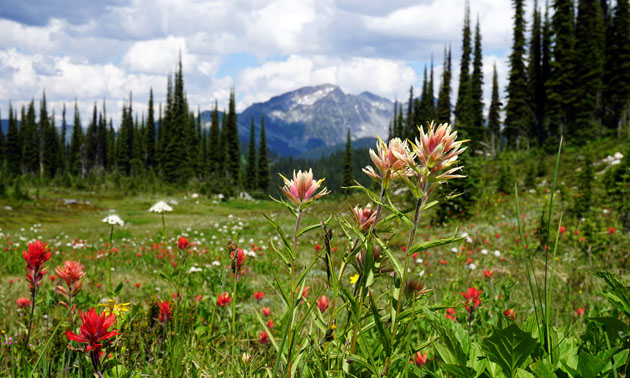

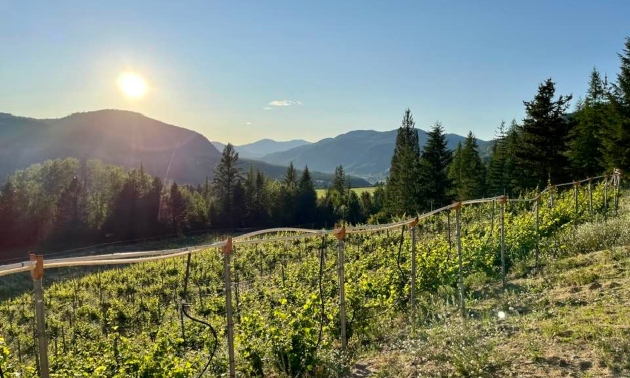
The Village of Kaslo, B.C., lies along the western edge of Kootenay Lake in a narrow, blue-green valley that seems cool and pristine even in the heat of summer. World travellers sometimes compare Kaslo’s beauty to that of villages in the Swiss Alps.
Initially, Kaslo’s economy was based on logging, though there’s now little evidence of that in the immediate vicinity of the town. Tourism drives the economy now, capitalizing on the beauty of the lake and the forested slopes that invite exploration. Kaslo’s mountain biking and trail running events attract participants from around the globe every summer.
The annual Kaslo Art Walk runs from mid-June to September and the Kaslo Jazz Etc. music festival is a well-attended event held every August. The Langham Cultural Centre is a storied, 100-plus-year-old building that serves as a gallery, museum and theatre, and also houses more than 10 art studios. It is one of the local historical sites that tells of the struggles and triumphs of times past, including a dark period during the Second World War when Japanese Canadians were interned at several camps, including the Langham itself.
Centre stage on Kaslo’s waterfront is the SS Moyie, the world’s largest intact sternwheeler. Retired from its duties in 1958, the Moyie has been painstakingly restored and has been designated a National Historic Site and a museum.
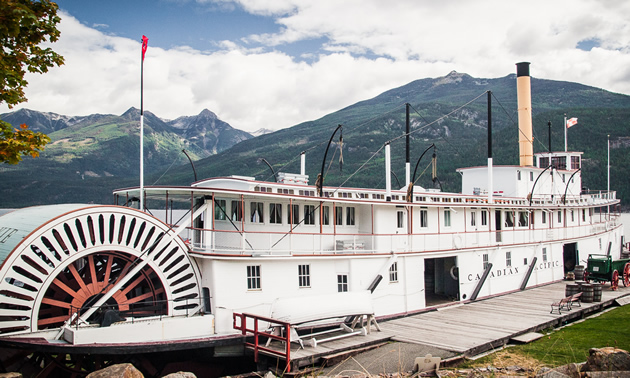
The SS Moyie is the world's largest intact sternwheeler. It serves as a museum and has been designated a National Historic Site in Kaslo, B.C. — Daphne Hunter photo
Good-neighbour culture
Dan Trobak of Dan Trobak Web Design decided to move to Kaslo because of the easily accessible outdoor lifestyle there. He loves to go hiking, biking, skiing, kayaking and camping, and all of these activities are available just outside his door. He also loves the small-town, good-neighbour culture of Kaslo, and is impressed by the number of creative, independent people and the interesting projects in which they are involved, in spite of Kaslo’s remote location.
“Kaslo is in the process of installing fibre-optic Internet service to the whole village,” Trobak said. “It’s getting easier to work from anywhere, and more and more people are doing it—the freelance economy is booming. I think this is good news for our small towns.”